

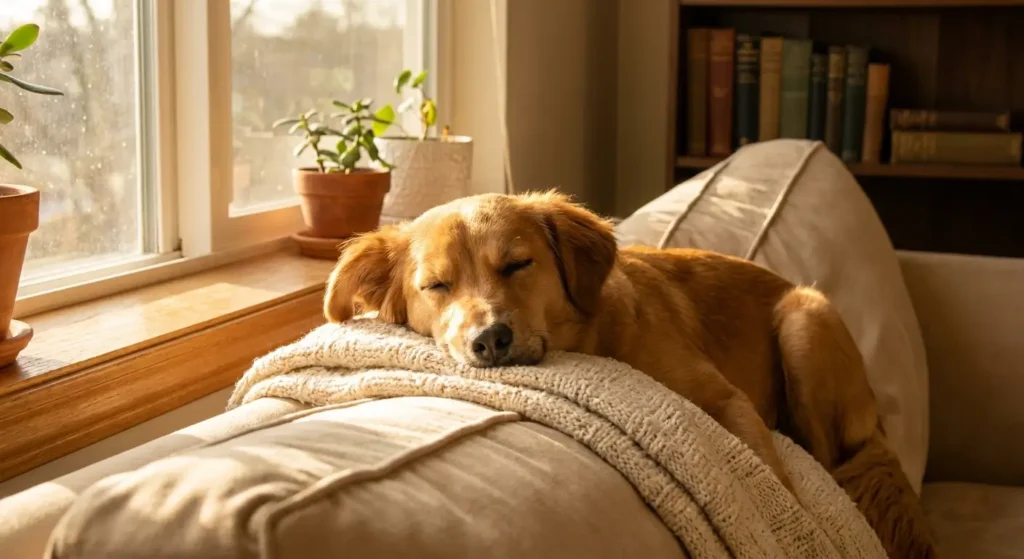
You lean in to kiss your dog and notice their nose feels dry and warm instead of cool and wet. Your first thought is probably the old myth: a dry nose means a sick dog. In most cases, that is simply not true.
A dog’s nose changes texture and moisture many times a day, and a dry nose on its own is rarely a reason to panic. Here is what actually affects it, and the few times it is worth a closer look.
Is a dry dog nose a problem?
Usually, no. The idea that a healthy dog must always have a wet nose is one of the most common pet myths out there. Noses get dry and wet throughout the day depending on what your dog is doing, where they are sleeping, and the weather outside.
A dry nose is a symptom to read in context, not a diagnosis on its own. What matters is how the rest of your dog looks and acts.
A dog with a dry nose who is eating, drinking, playing, and behaving normally is almost always fine.
Common reasons your dog’s nose is dry
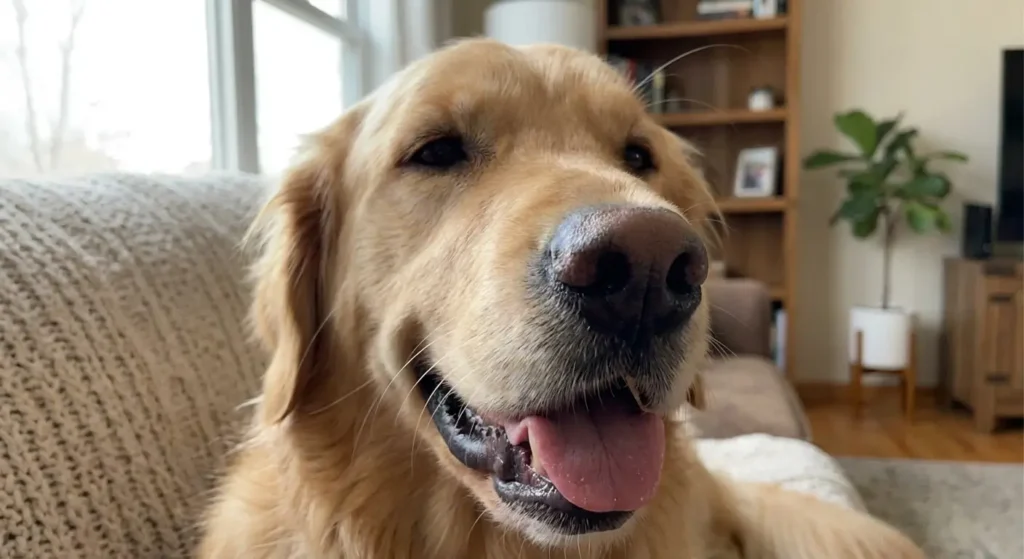
They just woke up
Dogs do not lick their noses while they sleep, so the nose dries out. Within a few minutes of being awake and active, it usually turns damp again.
Weather and air
Hot sun, cold wind, and dry indoor heating all pull moisture from the nose. A dog who naps next to a radiator or a sunny window will often wake up with a dry, warm nose.
Age
Older dogs tend to have drier noses than puppies. It is a normal part of getting older and not a cause for worry by itself.
Mild dehydration
If your dog has not had enough water, the nose is one of the first places it shows. Make sure fresh water is always available, especially after exercise or on hot days.
How to soothe a dry dog nose at home
If your dog’s nose looks a little dry or flaky but they are otherwise healthy, a few simple steps help:
- Fresh water, always. Keep the bowl full and clean so your dog stays properly hydrated.
- Move them out of dry heat. Shift their bed away from radiators and direct sun.
- Try a dog-safe nose balm. A gentle dog nose and paw balm can moisturize cracked skin. Only use products made for dogs, never human lotions, which can contain ingredients that are unsafe if licked off.
- Add a humidifier. In winter, a humidifier in the room where your dog sleeps keeps the air from drying out their nose.
When a dry nose means see the vet
The dry nose itself is rarely the issue. What matters is what comes with it. Contact your veterinarian if the dry nose appears alongside any of these:
- Cracks, sores, or bleeding on the nose
- Thick or colored discharge from the nostrils
- Loss of appetite, low energy, or vomiting
- Excessive nose licking or pawing at the face
- Sunburn or pink, raw skin on a light-colored nose
These can point to allergies, infections, sunburn, or other conditions that need proper treatment.
Wet nose vs dry nose: what each one tells you
A wet nose is not magic. Dogs keep their noses moist for two practical reasons: the thin layer of mucus helps them absorb scent chemicals, and licking the nose keeps it clean. A working, sniffing dog naturally has a wetter nose because they are constantly using it.
So a wet nose usually means an active dog, and a dry nose often just means a resting one. Neither reliably tells you whether your dog is healthy. Your dog’s energy, appetite, and behavior are far better signals than nose moisture will ever be.
Should the nose also be cold?
Temperature is another part of the myth. People often expect a healthy nose to feel cold as well as wet. In reality, nose temperature shifts with the room, the weather, and whatever your dog was just doing. A warm nose after a nap in the sun is completely normal and says nothing about a fever.
If you are worried about fever, the nose will not tell you. A dog’s normal body temperature runs between 101 and 102.5 degrees Fahrenheit, and the only accurate way to check is with a proper thermometer, not a hand on the nose.
Breeds that get dry noses more often
Some dogs are simply more prone to a dry or crusty nose because of how they are built:
- Flat-faced breeds like Pugs and Bulldogs sometimes cannot lick their own noses well, so the nose dries out more easily.
- Breeds prone to nasal hyperkeratosis, where extra skin grows on the nose, can develop a hard, dry, crusty surface that needs regular care.
- Light-colored or pink noses burn in the sun faster and dry out quicker, so they need shade and dog-safe sun protection.
If your dog is one of these types, a little extra nose care becomes part of the routine rather than a warning sign.
Frequently asked questions
Can I put coconut oil on my dog’s dry nose?
A tiny amount of coconut oil is generally considered safe if your dog licks it, and some owners use it on a mildly dry nose. That said, a balm made specifically for dogs is a more reliable choice because it is formulated to stay on and to be safe when licked. If the dryness keeps coming back, ask your vet before making it a habit.
Why is my dog’s nose dry and cracked?
Cracking goes a step beyond simple dryness. It can come from sunburn, dehydration, cold weather, or a skin condition like nasal hyperkeratosis. A one-off dry nose is fine to watch at home, but cracks, bleeding, or sores are worth a vet visit.
Does a dry nose mean my dog has a fever?
No. This is the most common myth about dog noses. Nose moisture and temperature change all day and do not track body temperature. The only way to know if your dog has a fever is to take their temperature properly.
My puppy has a dry nose, is that normal?
Usually yes. Puppies, like adult dogs, get dry noses after sleeping or in dry air. As long as your puppy is eating, drinking, and playful, a dry nose on its own is not a concern.
The bottom line
A dry nose alone is almost never an emergency. Watch the whole dog, not just the nose. If they are happy, eating, and full of energy, a warm dry nose is usually nothing more than a nap in a sunny spot. If the dryness comes with other symptoms, that is your cue to call the vet.